
You don’t keep a cardiologist on retainer.
When your heart needs attention, you see a specialist. That cardiologist brings pattern recognition from thousands of patients — a depth of diagnostic experience your general practitioner simply cannot match. You pay for the visit, you get the expertise, and you move on with a plan. Nobody questions this model. Nobody says, “Shouldn’t we just hire a full-time cardiologist for our family?”
Yet when it comes to cybersecurity leadership, companies agonize over exactly this question. Hire a full-time CISO, or bring in a fractional CISO advisory practice? The math isn’t as straightforward as most articles make it seem — because the real cost comparison has almost nothing to do with salary.
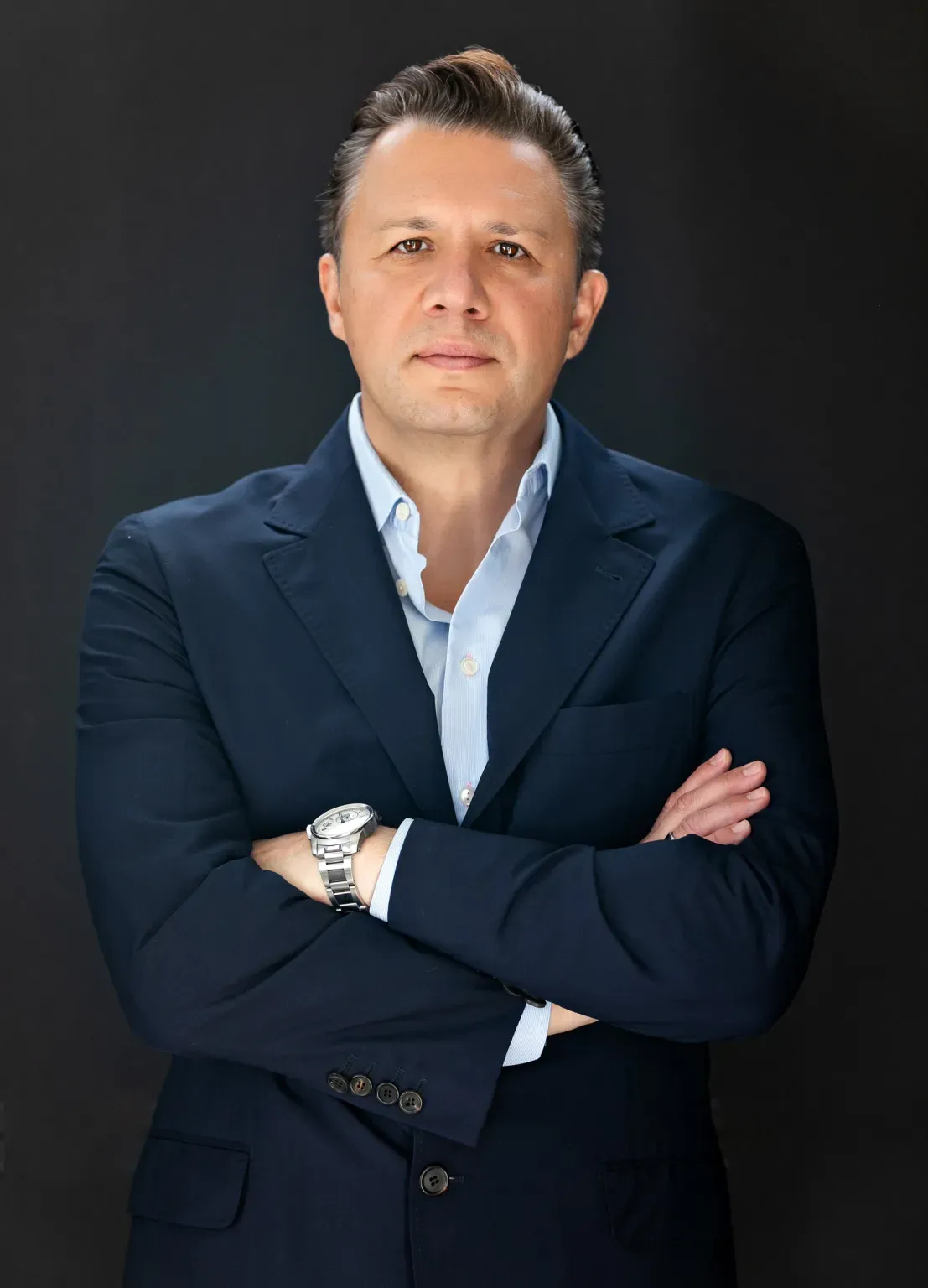
I spent 15 years as the full-time Chief Security Officer at Silicon Valley Bank, defending the bank of the innovation economy against a variety of threat actors, including nation-state adversaries. I sat in that chair through regulatory exams, board presentations, SolarWinds, and the kind of 2 a.m. phone calls that age you in dog years. Now I run a fractional CSO practice at vCSO.ai. I’ve lived on both sides of this decision, and the perspective from each seat is different than what you read in the comparison articles.
Here’s what the spreadsheet doesn’t capture.
The Real Numbers Behind a Full-Time CISO
Let’s start with what CFOs actually see when they open the requisition.
A full-time CSO at a mid-market company commands a base salary between $300,000 and $500,000. At publicly traded or late-stage companies, total compensation — salary, bonus, equity, benefits — regularly exceeds $1 million, although recent reports suggest those numbers may be as high as $4 million for top talent and experience. That’s before you account for the executive recruiter fee (typically 25-30% of first-year compensation), the three to six months of ramp time before they’re fully operational, and the organizational drag of onboarding a senior executive.
Then there’s the hidden line items. The full-time CSO needs a team. Even a lean security function requires two to four direct reports — analysts, engineers, and GRC specialists. Add another $400,000 to $800,000 in fully loaded personnel costs. Add the tooling budget they’ll inherit or request. Add the conference travel, the training, and the certifications.
When I was building the program at SVB, my annual security budget was a serious line item. That investment was appropriate for a publicly traded bank serving the innovation economy. But I’ve seen mid-market companies with $50 million in revenue try to replicate this model. The economics don’t scale down cleanly. You end up with a $350,000 CISO managing a $200,000 budget, which is like hiring a Formula One driver and handing them a go-kart.
What a Fractional CISO Actually Costs
A fractional CSO — sometimes called a fractional chief (information) security officer, outsourced CSO, or part-time CSO — typically costs 20 to 40 percent of what a full-time hire would. Engagement structures vary, but most fractional security leadership arrangements range from $10,000 to $30,000 per month, depending on scope, complexity, and the operator’s depth of experience.
That number makes finance teams exhale. But the cost advantage isn’t just the fee delta.
A fractional CSO doesn’t need a three-month ramp. An experienced fractional cybersecurity executive has seen dozens of environments. They recognize patterns immediately — the control gaps, the policy debt, the governance gaps that accumulate when security has been managed ad hoc. When we work with a new client, I bring 25+ years of operational experience and a team of fractional domain experts to deliver immediate impact, having seen dozens of environments. That pattern recognition is the cardiologist’s advantage. It’s the reason the specialist model works.
There’s also no recruiter fee, no equity dilution, no benefits overhead, and no severance risk. The engagement can scale up during critical periods — M&A due diligence, regulatory exams, incident response — and scale down when the acute need passes.
If you’re evaluating virtual CSO services for the first time, the economics often surprise people. Not because fractional is cheap — good operators aren’t — but because the total cost of ownership for a full-time hire is almost always underestimated.
The Cost Comparison Nobody Talks About
Here’s where most CSO cost comparison articles stop: they give you a table with salary on one side and monthly retainer on the other, declare the fractional model cheaper, and move on. That analysis is incomplete.
The real comparison is about opportunity cost and risk cost.
Opportunity cost: A full-time CISO who isn’t right for the company — wrong stage, wrong industry, wrong temperament — costs you twelve to eighteen months before you recognize the mismatch, act on it, and start over. I’ve seen this cycle play out at PE portfolio companies more times than I can count. The board hires a CSO from a Fortune 500 because the brand name looks good on the org chart. That person arrives and finds an environment with no security program, no budget, and no team. They spend six months trying to build the program they had at their last company, realize it’s impossible, and leave. Meanwhile, the clock is ticking on the next audit, the next investor question, the next incident.
A fractional engagement can serve as a bridge — building the foundation, establishing the program, defining what “right” looks like for the role — so that when you do hire a full-time CISO, you’re hiring the right person into a defined position rather than asking someone to build the house and live in it simultaneously.
Risk cost: A company with no security leadership at all — because they’re “still searching” or “waiting for budget approval” — is accumulating risk every day. Regulatory deadlines don’t pause for your recruiting timeline. Threat actors don’t wait for your CISO to finish onboarding. A CSO-as-a-service model eliminates that gap.
When Full-Time Is the Right Call
I’m not here to tell you that fractional is always better. That would be dishonest, and I spent too long in the operator’s seat to sell a model that doesn’t fit.
A full-time CSO is the right investment when your company meets several criteria simultaneously. You have a mature security program that requires daily executive oversight. You operate in a heavily regulated industry — banking, healthcare, defense — where regulators expect a named, dedicated security executive. Your risk profile calls for someone who understands the organization’s culture, politics, and decision-making rhythm on a daily basis. And your budget can sustain not just the CSO’s compensation but the team and tooling they need to be effective.
At SVB, I needed to be full-time. I was running an overt cybersecurity program and a covert counterintelligence operation against nation-state threat actors targeting the IP of top-tier innovation companies worldwide. I was presenting to the board quarterly. I was managing a global team across multiple time zones. The complexity and regulatory intensity required someone whose entire professional identity was wrapped around that institution’s defense. There was no fractional version of that job.
But here’s the thing most people miss: I didn’t start as a full-time CSO at SVB. The role evolved. The program was built over the years. The investment grew as the risk profile grew. That’s the natural trajectory. You don’t start with the cardiologist on permanent staff. You start by getting a proper diagnosis.
When a Fractional CISO Is the Smarter Move
A fractional CSO makes sense — and often makes more sense than most companies realize — in several common scenarios.
You’re a growth-stage company that needs security leadership but can’t justify a $500K+ hire. This is the sweet spot. You’ve got investor scrutiny, customer security questionnaires piling up, and maybe a SOC 2 audit on the horizon. You need someone who’s done this before, not a first-time CISO learning on your dime.
You’re a PE or VC portfolio company undergoing due diligence. Your investors need to understand the cyber risk in their portfolio. A fractional CSO can perform a cybersecurity assessment — we use Theodolite, build a remediation roadmap, and present findings to the board — all within a defined engagement. I’ve done this for portfolio companies where the managing partner needed an honest answer about their security posture before the next capital raise.
You’re between CISOs. The interim CSO model — a security executive on demand who holds the fort during a leadership transition — is one of the most underused tools in the executive toolkit. The alternative is a six-month gap where nobody is accountable for security. That’s not a gap. That’s an invitation.
You need a specific expertise you don’t have internally. Maybe it’s risk management consulting for a new compliance framework. Maybe it’s incident response planning. Maybe it’s translating your security posture into language the board actually understands. A fractional model gives you access to an operator who’s lived these problems — without committing to a full-time headcount.
I think about this the way I think about building an appropriate digital defense team. You want the right horses for the right courses at the right time. Not every horse needs to be in your stable permanently.
The Pattern Recognition Premium
There’s one variable in this equation that doesn’t show up in any cost comparison, and it’s the one that matters most: pattern recognition.
A full-time CSO sees one environment. They learn its rhythms, its vulnerabilities, its politics. That depth is valuable. But a fractional CSO who has operated across dozens of environments develops something different — the ability to recognize patterns that a single-company operator simply can’t see.
When I was at SVB, I knew our network like the back of my hand. I could feel when something was wrong before the alerts triggered. That instinct came from years of immersion. But since leaving and working across industries — financial services, healthcare, SaaS, manufacturing, sovereign wealth funds — I’ve developed a different kind of instinct. I can walk into a new environment and, within days, identify the control gaps, the governance blind spots, the places where the risk is accumulating invisibly.
This is the cardiologist’s advantage again. A cardiologist who sees three hundred patients a year develops diagnostic intuition that a family doctor — no matter how talented — cannot replicate. Not because they’re smarter. Because the sample size of their experience is fundamentally different.
My friend Doug Hubbard, who wrote How to Measure Anything in Cybersecurity, would frame this in terms of calibrated estimates. The more observations you accumulate, the tighter your confidence intervals become. A fractional CISO’s confidence intervals on risk assessment are tighter than most people expect — precisely because they’ve seen more environments than any single full-time operator ever could.
The Pre-Mortem on Your CISO Hiring Decision
Before you commit to either model, run a pre-mortem. Project twelve months into the future. The hire failed. What went wrong?
If you hired full-time and it failed, the likely causes are: you over-hired for your current stage, the CISO couldn’t operate without a team you weren’t ready to fund, or the cultural fit was wrong, and you didn’t discover it until month eight. Each of these scenarios costs you north of $500,000 in direct costs and immeasurable risk in the gap.
If you went fractional and it failed, the likely causes are: you chose an advisor without real operating experience (someone who consults about security rather than someone who has actually defended an organization), or you expected full-time immersion at a fractional price. Both are solvable problems — if you ask the right questions up front.
The question isn’t “fractional CSO or full-time CSO.” The question is: what does your organization need right now, and what will it need in eighteen months? The right answer often involves starting fractional, building the program, and transitioning to a full-time hire when the role is defined, the budget is real, and you know exactly what kind of operator belongs in that chair.
Frequently Asked Questions
How much does a fractional CISO cost compared to a full-time CISO?
A full-time CISO commands $300,000 to $500,000 in base salary at mid-market companies, with total compensation exceeding $1 million+ at public companies when you factor in equity, bonus, benefits, and the cost of building a supporting team. A fractional CISO engagement typically runs $10,000 to $30,000 per month — roughly 20 to 40 percent of the fully loaded cost — with no recruiter fees, equity dilution, or long-term overhead commitments.
What’s the difference between a fractional CISO and a virtual CISO?
The terms are often used interchangeably, but they can carry different connotations. A virtual CSO sometimes refers to a more remote, lighter-touch engagement — policy reviews, compliance guidance, quarterly check-ins. A fractional CSO typically entails deeper operational engagement: sitting in on leadership meetings, presenting to the board, driving security strategy, and managing vendor relationships. The distinction matters less than the question of whether your advisor has actually been a CSO — not just someone who consults about the role.
When should a company transition from a fractional CISO to a full-time hire?
The transition makes sense when three conditions converge: your security program has matured to the point where daily executive oversight is necessary; your budget can support not just the CISO’s compensation but also their team and tooling; and your risk profile — regulatory, reputational, operational — demands a permanent, embedded executive. A good fractional CISO will tell you when you’ve outgrown the fractional model. If they don’t, they’re optimizing for engagement rather than your security.
Can a fractional CISO handle incident response?
It depends — and in many cases, a seasoned fractional CSO handles incident response more effectively than a newly hired full-time CSO who hasn’t yet built relationships with legal, communications, and executive leadership. An experienced operator brings established incident playbooks, relationships with forensic vendors, and the calm that comes from having managed real incidents before. The key is ensuring your engagement terms include incident response availability and that your fractional CISO has actual operational IR experience, not just a certification.
The Decision That Defines Your Security Posture
Every company reaches this inflection point. The business is growing, the risk is real, and someone asks: Do we need a CSO?
The more precise question is: what kind of security leadership fits our current reality — our stage, our risk, our budget, our regulatory environment? The answer isn’t always permanent headcount. Sometimes the smartest investment is a fractional CISO who’s already been where you’re going, who can build the foundation you need, and who can help you make the right full-time hire when the time comes.
As I wrote in Cyber War and Peace, resilience is execution, held together by governance. The model you choose for security leadership — fractional or full-time — is a governance decision. Make it based on your actual risk, not your aspirational org chart.
If your organization is navigating this decision, vCSO.ai’s fractional CSO advisory practice is here to help. Not a sales pitch. An honest conversation about what you actually need.
Nick Shevelyov is the founder of vCSO.ai and a former Chief Security Officer of Silicon Valley Bank. He advises boards, PE/VC firms, and growth-stage companies on cybersecurity leadership through fractional CSO advisory services.